The next few years of AI
AI Futures · Dr Greg Baker
What becomes cheap.
What stays valuable.
What we do next.
An executive conversation · September 2026
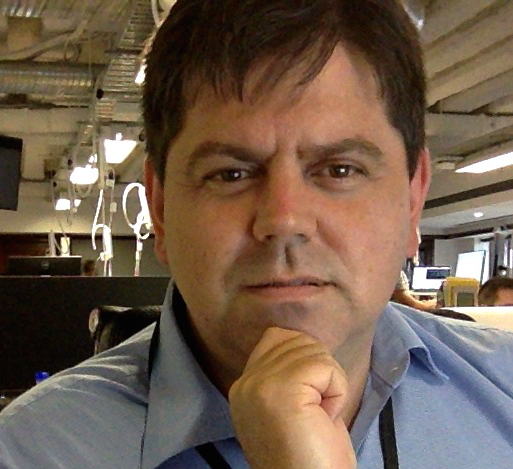
Greg Baker
- AI researcher and educator
- Consulting CTO and software builder
- Business owner, composer and habitual experimenter
I am interested in what changes when people can do things they could not afford to do before.
What decision brought you here?
Commitment
What are you about to invest in?
Assumption
What must remain true for it to work?
Horizon
When will you know whether you were right?
Keep the same decision in view throughout the session.
Expertise is becoming easier to reach
One person.
More capability.
- Research and prepare a case
- Organise evidence and arguments
- Check the work; own the consequences
Greg’s experience illustrates access. It does not establish that AI caused a legal outcome.
Find the constraint
Where does work pile up?
Making every other step faster can simply produce a bigger queue.
What limits the customer’s result?
- A slow decision?
- A scarce expert?
- A physical installation?
- An unreliable handoff?
Three questions. Three kinds of evidence.
Capability
What can a system do under test?
BenchmarksUse
What are people actually doing with it?
Product dataImpact
What changed for the business?
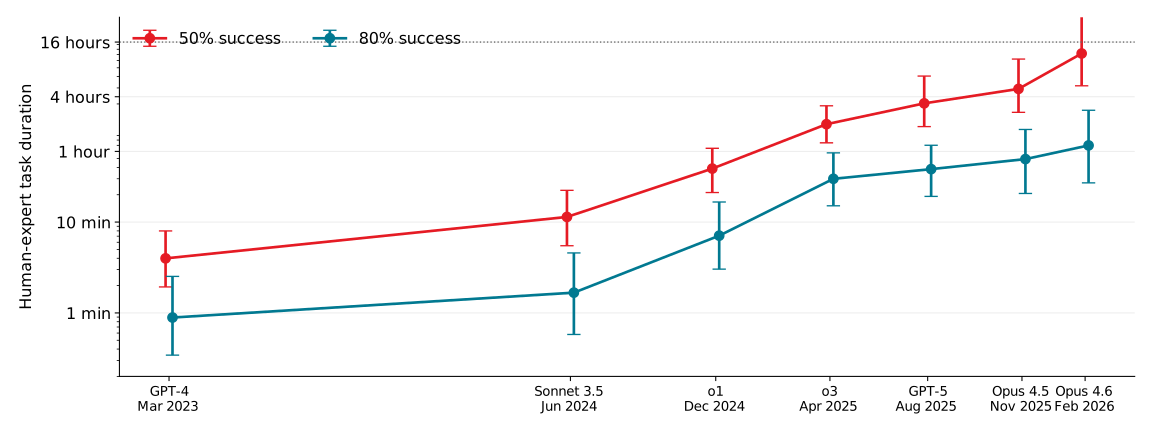
Measured outcomesLonger tasks are becoming tractable
Human-expert task duration. Selected models, not a complete frontier. Software, ML and cybersecurity tasks.
Reliability changes the decision
50%
Exploration
Retries may be cheap. Failure must be detectable.
80%
A different threshold
Still ask what failure costs and who checks.
Useful output − checking − rework − consequences
Software travels faster than machinery
Digital deployment
- Copy and distribute
- Connect to data
- Change a workflow
Physical deployment
- Install and integrate
- Meet site constraints
- Prove operating reliability
Forecasting becomes a routine input
What changes when a carefully researched forecast becomes cheap enough to ask for routinely?
The evidence
Several forecasting systems reached statistical parity with the superforecaster reference.
The business question
Which decision would improve if you updated its probability every month?
July 2026 ForecastBench comparison. Tool-using systems; overlapping uncertainty; extrapolated 2024 human reference.
Prepare for faster, slower and uneven change
Faster
Capability improves and customers adopt quickly.
Can you respond?Slower
Reliability, economics or implementation disappoint.
Can you afford to wait?Uneven
One part of the value chain changes first.
Who captures the benefit?AI is entering the process of building AI
A possible accelerator, with constraints.
- Compute and energy
- Useful experiments and reliable evaluation
- Deployment and human institutions
What forecast would change your decision?
Illustrative expected-loss model. Assumes acting prevents the stated loss, with no other benefits or costs.
When cognition gets cheap, what becomes scarce?
Output needs more than intelligence.
- Access to customers
- Physical capacity and location
- Permissions and responsibility
- Context, trust and coordination
Candidate constraints to test, not guaranteed winners.
The parts that do not speed up
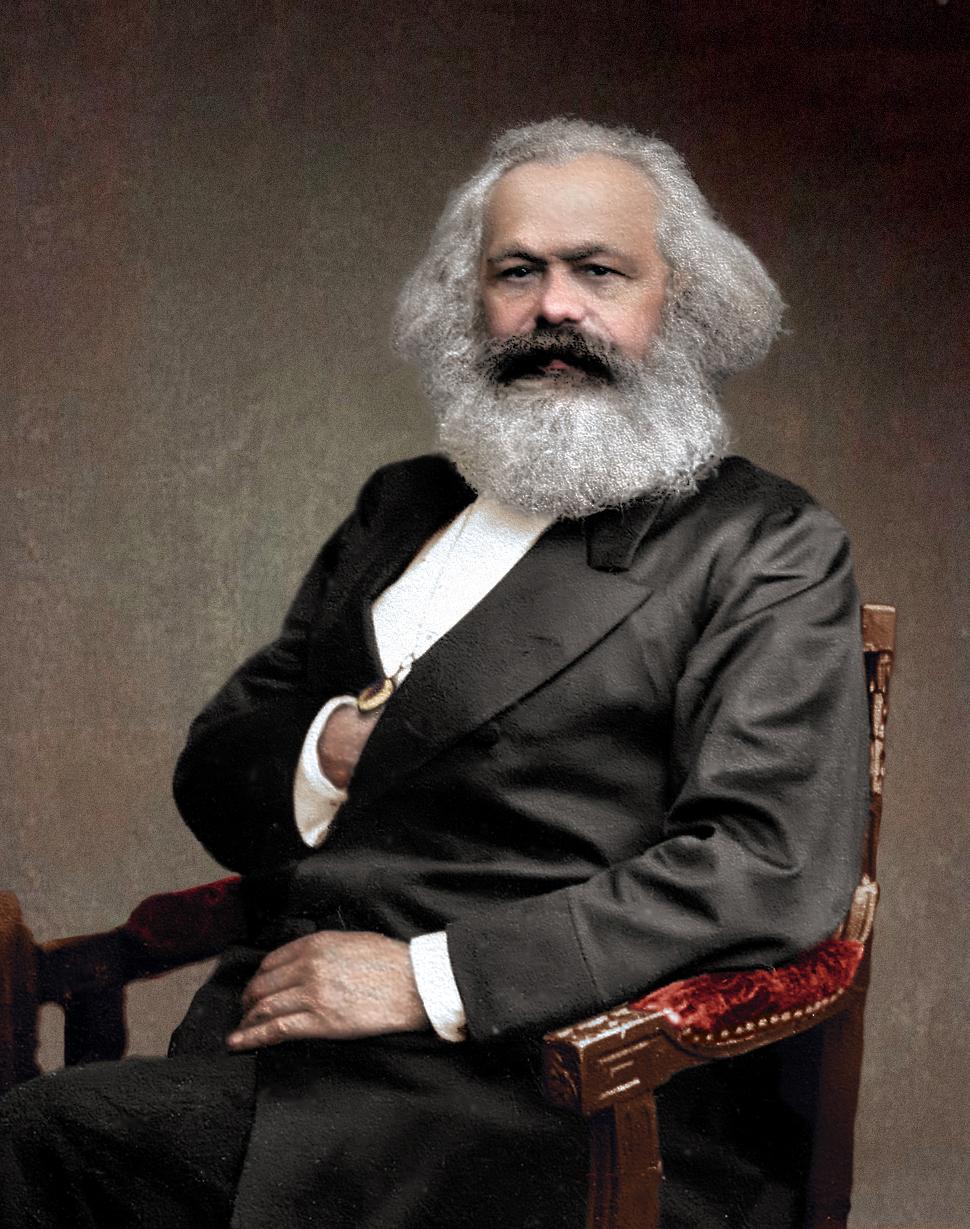
Baumol’s cost disease
A live string quartet still needs musicians and time.
As productivity changes elsewhere, the relative cost of labour-intensive work can rise.
What still takes time in your business?

You have 100,000 free workers
So do your competitors.
They are inexperienced. They need instructions. Somebody has to check.
What changes when labour is plentiful?
Possible
What previously impossible work can you attempt?
Affordable
What expensive service becomes ordinary?
Personal
What can be tailored to each customer?
Value
What no longer earns a premium?
And who manages and checks all of that work?
Scarcity is only the first question
- What remains scarce?
- Who can capture the value?
- What price are you paying for it?
Substitution, competition, financing and regulation can change the answer.
Test the business, not the job title
Software
Production gets cheaper.
Test distribution, integration and switching.
Physical operations
Reasoning gets cheaper.
Test installation, reliability and capacity.
A place to visit
Promotion gets cheaper.
Test discovery, experience and substitutes.
Stress-test the investment
| Question | Faster | Slower | Uneven |
|---|---|---|---|
| Customer demand | What changes? | What persists? | Who moves first? |
| Margin & constraint | Where is value? | What still costs? | Who captures it? |
| Capital at risk | How much must you commit before learning? | ||
| Next evidence | What result would justify the next commitment? | ||
What would make you change your mind?
Observe
One leading indicator.
Commit
One staged investment.
Reconsider
One result that changes the decision.
A plan needs a way to notice that its assumptions have failed.
Build what differentiates you
Buy what has become routine. Keep learning where customers care.
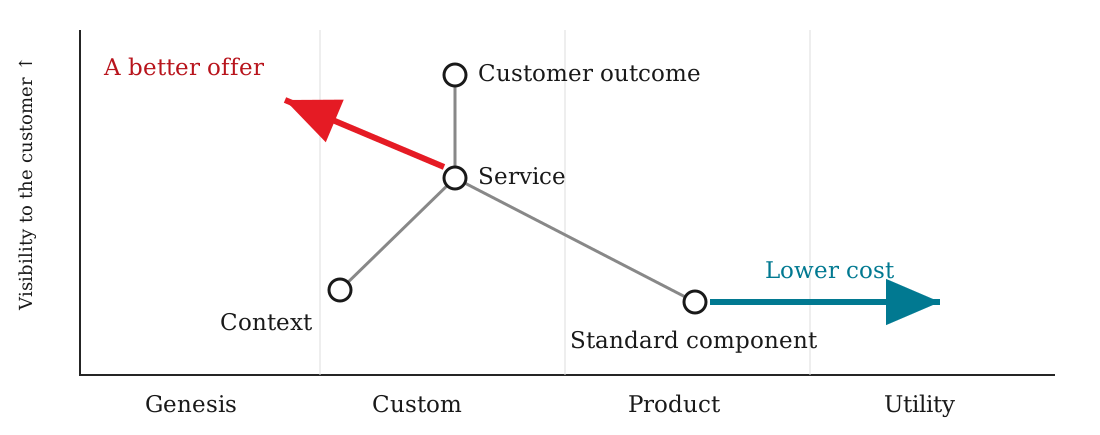
Different stages need different management
Genesis

Explore whether it works.
Custom
⚒
Learn with specific users.
Product
Compare and improve.
Utility
Control cost and reliability.
Lower cost here. Add customer value there.
Both moves can belong to the same business strategy.
Map one customer outcome
1 Name the customer’s need.
2 List the capabilities it depends on.
3 Place each from novel to routine.
4 Find the constraint and choose a move.
Where does your advantage actually come from?
Match the supplier to the bet
Evidence
Show it working on our task.
Economics
Include checking, integration and ongoing cost.
Continuity
Can we keep operating and take our data with us?
Buy an outcome you can verify.
Exceptional capability can become ordinary
A possible diffusion path. Timing varies by task, economics, licence and hardware.
Your customers and staff get these tools too
More people can prepare a serious challenge.
- Check a decision
- Compare alternatives
- Organise evidence
- Ask better questions
How well can your organisation explain itself?
AI can change who contributes expertise
791 professionals at P&G
Solution quality
AI-assisted individuals matched unaided pairs in the experiment.
Selection
Choosing the best idea remained a separate difficulty.
One-day innovation tasks in one company. Published June 2026. Not a headcount rule.
Which handoff still earns its place?
Keep
Independent challenge, authority and responsibility.
Test
Queues created only by lack of access to expertise.
Will staff tell you what they have automated?
If saving time threatens someone’s job, hiding the saving can be a sensible response.
Ask
What did you change, and what still needs checking?
Offer
Time to improve the process and learn the next task.
Make a promise you can keep.
One strategic choice. One reversible test.
The next five years
Which advantage will you strengthen?
State the result that changes the decision
| Owner & review date | Who decides, and when? |
|---|---|
| Baseline | What happens now? |
| Whole outcome | Time, quality, checking, rework and customer effect. |
| Decision rule | Expand, revise or stop at a stated result. |
What will you do differently on Monday?
A decision.
A test.
A reason to change your mind.
AI Futures · Dr Greg Baker
ai-futures.industrial-linguistics.com
Arrow keys: move · F: full screen · N: narration · direct links use the slide name