Greg Baker
Lecturer and Convenor in Artificial Intelligence and Cybersecurity at Macquarie University / Consulting CTO

- Ex-CTO of Daisee and Pixc
- Author of 8 books, 1 patent, 3 film scores, many scientific papers. I research mathematical approaches to make AI work for endangered languages
- Award-winning composer; performed on stage with the Piano Guys
- Developed the world’s first quantum computing programming language
- Wrote clauses in the USA-Australian free trade agreement
- Ex-Googler and ex-CSIRO (part of the team that went on to build wi-fi)
- Affiliated with Australian National University and Macquarie University
- 2 “successful” technology business exits (not great, but I didn’t make a loss)
- Client list includes ACT Treasury, Administrative Appeals Tribunal, Allianz, Astra-Zeneca, Atlassian, Aon, Auckland City Council, Australian Parliament, Fandom, Fujitsu, Hewlett-Packard, Vodafone, Woolworths…
- Represented myself with AI assistance and won a case under new casual-employment legislation (2026)
- Fun fact: I proposed to my wife after going out for 10 days, married now for 30 years
I thrive on chaos and disorder. If you want a fun experience, interrupt me with questions constantly.

O-Ring Theory of management
- The customer’s value from your product is limited by whatever is the thing you do worst
- AI could make that worst thing mediocre and average
- What is your company worst at?
Eliyahu Goldratt’s Theory of Constraints
- Every factory has a slowest machine
- It doesn’t matter what you do elsewhere if you don’t speed up the slowest machine
- The slowest machine has a backlog of pending tasks behind it, and no front-log
- “Factory” can mean a services business too
- What currently has a huge backlog of tasks to be done?
- How can AI help with that?

What you already know from other speakers about AI
● All writte n customer interactions (chat, email) can now be offe red in any major world language.● You can embed a fla wless voice interface into a mobile app or telephone service.● You have a personalised tutor for any area of knowledge or learning.● You can unleash all the skills that McKinsey or Deloitte or Bain or PIP would use to advise your business.● “Ordinary users” can now write programs. You can enable them:○ If you have internal apps, make sure they have Powershell interfaces.○ Everyone can write SQL queries now to pull data into spreadsheets (or vice versa).○ Get Autohotkey installed, as everyone can write AHK scripts now.○ Write an application or website if you want.● You can A/B test and personalise all copy: emails, websites, SMS, print. Sensitivity reading is now automated.● Small applications can be built in a few prompts.● Songs and videos can be generated faster than you can listen or watch them.

What everyone is doing with AI now
●Meeting recording and taking minutes
●Advisor, counsellor
●Idea generation
●Knowledge assistant chatbots that interact with your sharepoint / shared drive / Google drive / large numbers of documents (for onboarding, pre-sales support, help desk, customer service)
●Software development
●Personalisation of communications at scale
●Grammarly / writing improvement
●Tutor
●Translation

The Future of Work in an AI world

Technology, revenue and productivity
“ “Use of technology explains revenue and productivity gains more than mergers and acquisitions (M&A) and
entrepreneurship.”
James Bessen (Boston University)
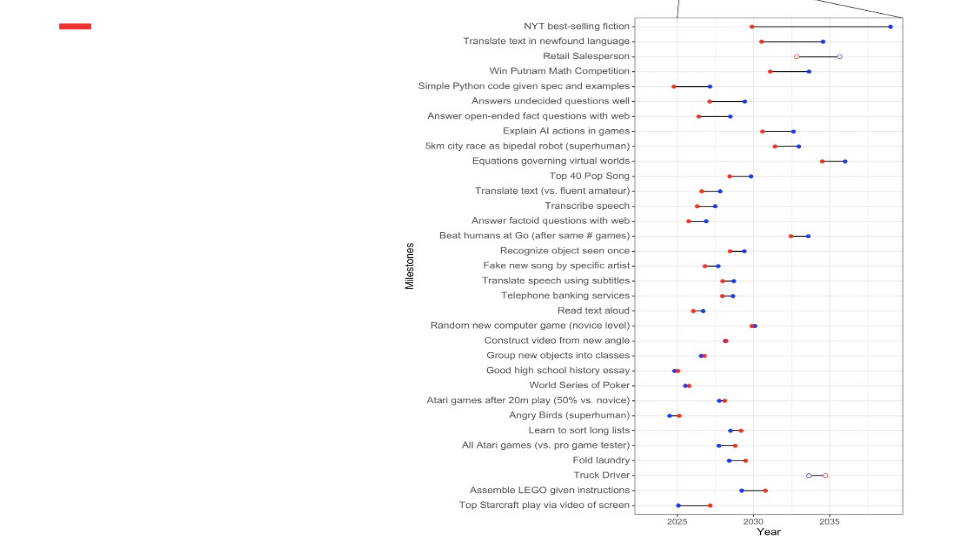
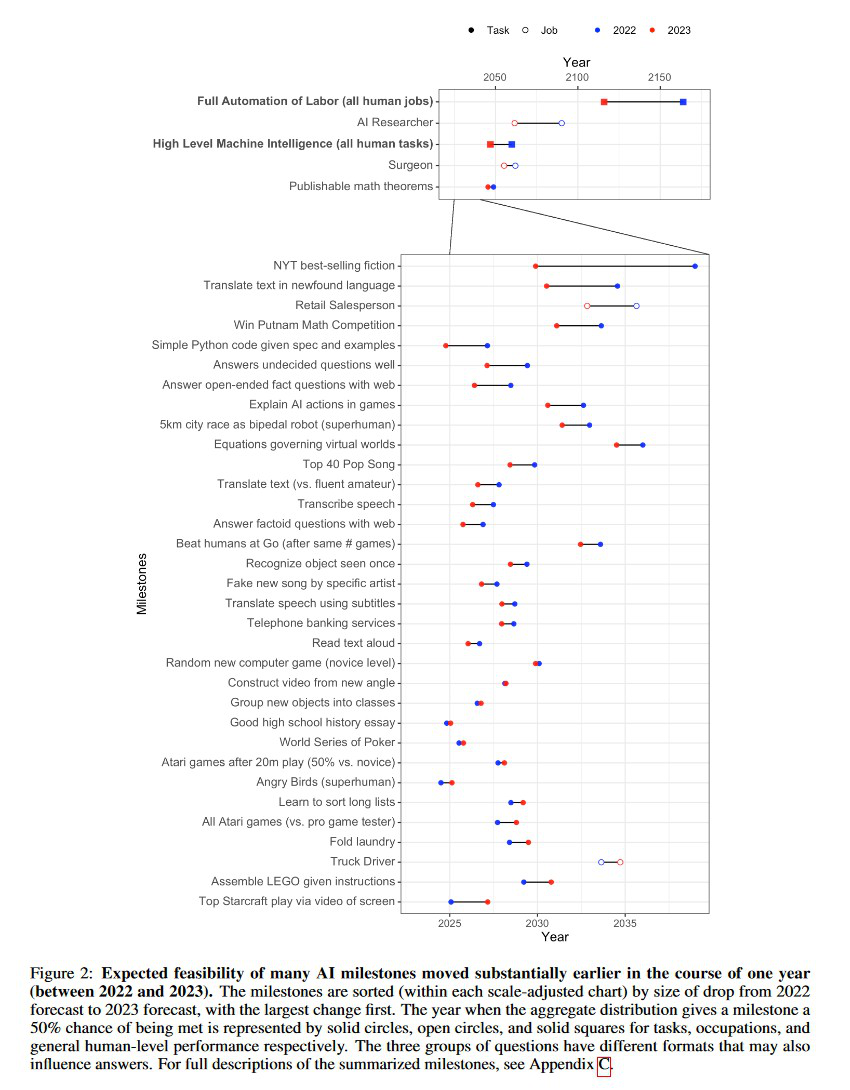
2022, 2023 Expert Survey on AI Progress -
Katja Grace et al.
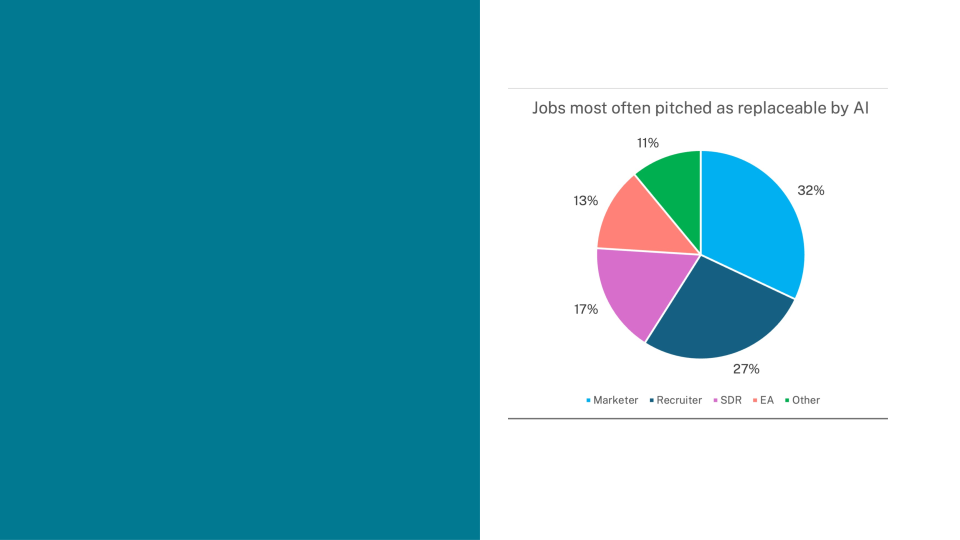
Kieran Snyder’s analysis of startup pitches
nerd processor · 9 April 2024
There's also a long tail of jobs in the Other category, including paralegals, financial modelers, designers, and more.
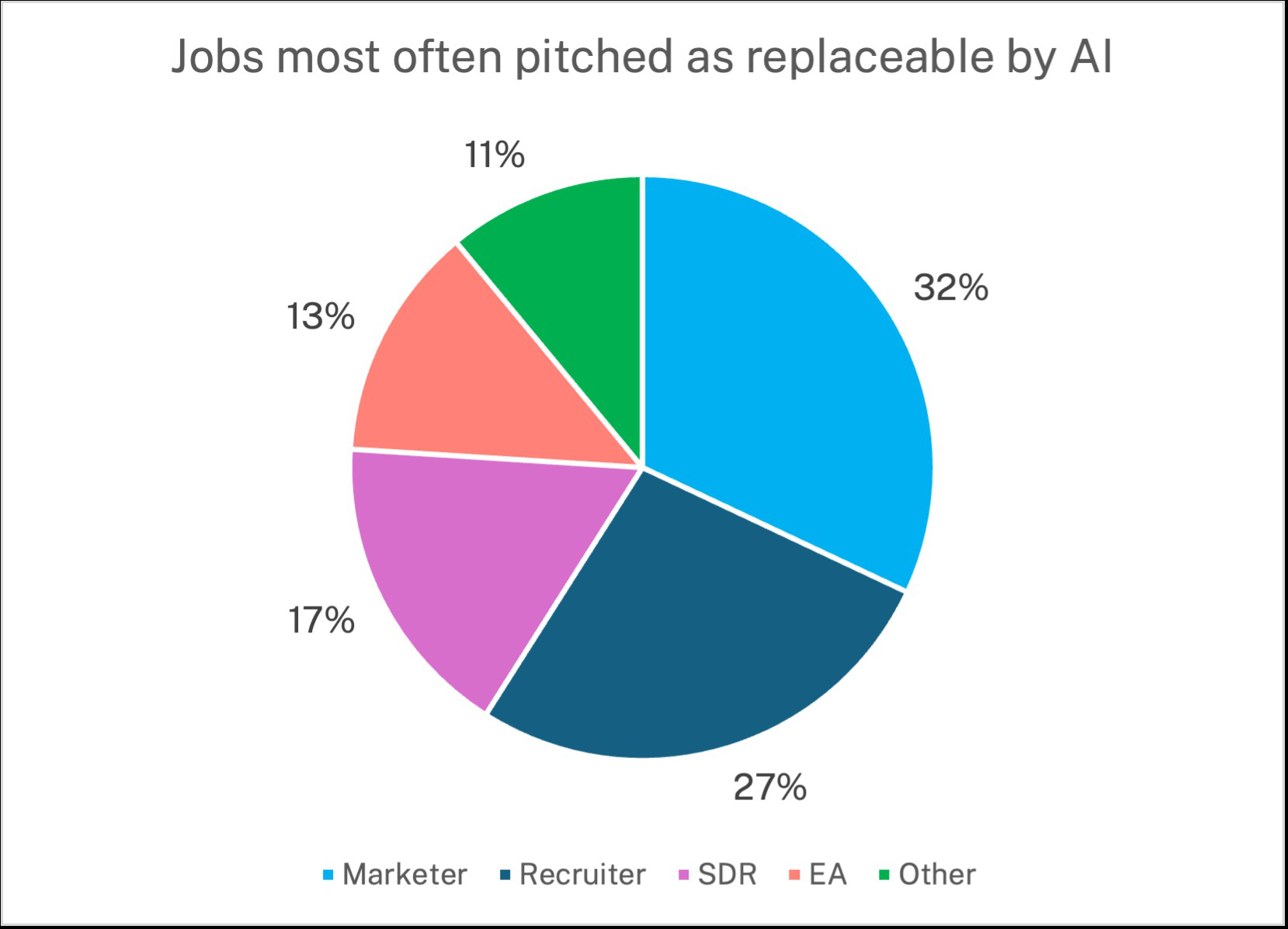 100+ early-stage B2B AI startup pitches and demos
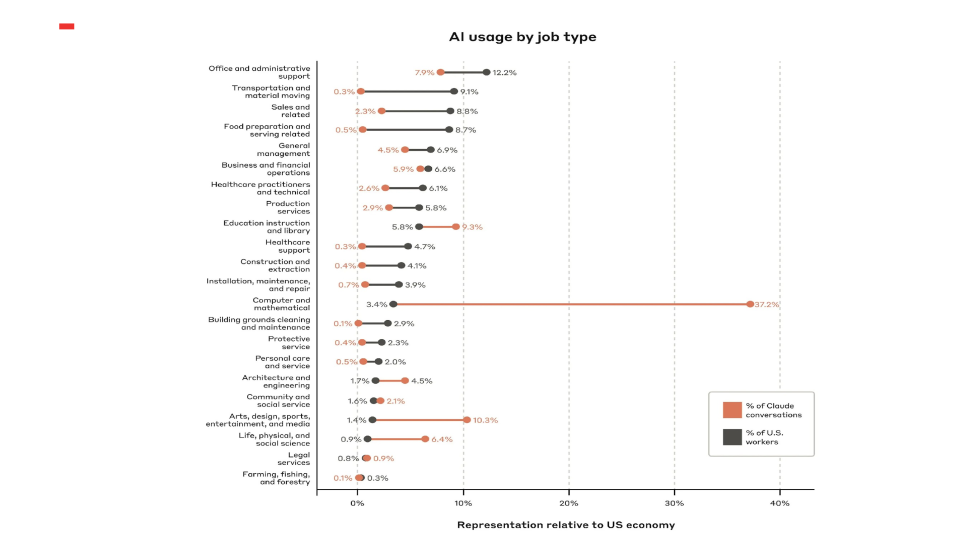
Anthropic
Claude usage
patterns
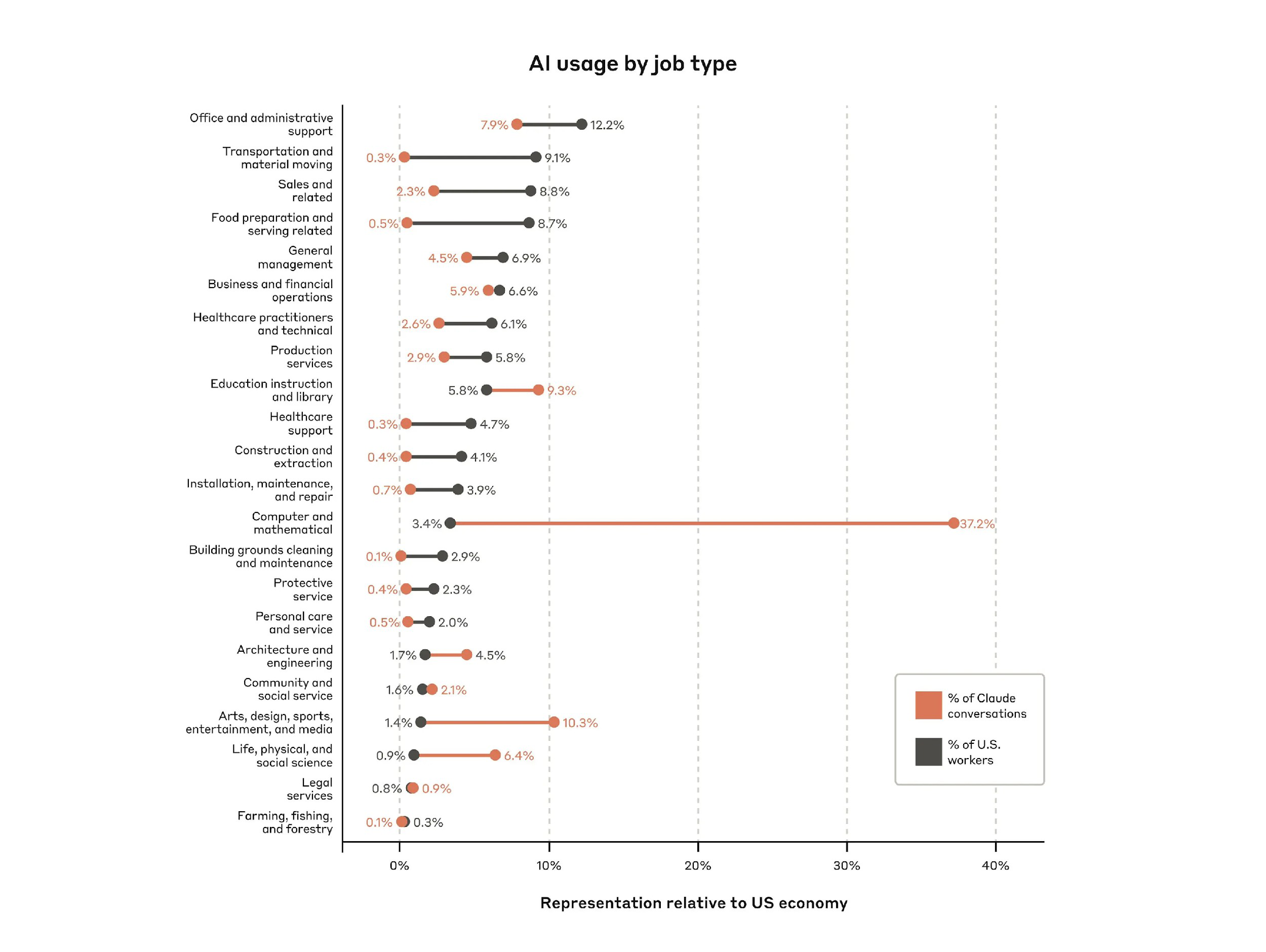
Time horizon of software tasks AI can complete 50% of the time
- Selected recent METR estimates · 50% success
- GPT-5.4: 5.7 hours
Gemini 3.1 Pro: 6.4 hours
Claude Opus 4.6: 12 hours
Claude Mythos Preview (early): 17.4 hours
A lot of software developers noticed in November 2025 that AI was better at programming than they were. Mathematicians discovered this in September. Other professions will experience this soon.
Human-expert task duration, not time spent working autonomously. Software, ML and cyber tasks. Latest published METR snapshot: 8 May 2026; checked 30 September. Newer models have not all been evaluated.

White-collar work
Discussion:
• What tasks do you do that don’t involve physical activities that take roughly 1 hour, 1 day, 1 week? Talk about each of those tasks in turn.
• If an AI was going to do that task, could you tell whether it got it right or not quickly? Can you try again if it gets it wrong?
• What is the percentage success rate threshold where it makes more sense to use AI and check than to do the task yourself?
• Based on the METR projections, when will that happen?
• What percentage success rate do human beings have doing that task now?
• Do your answers seem similar to the Grace, Snyder or Anthropic analysis?

What do AI developers believe about the future of AI?
AI Maximalism
• All the technology to make super-human intelligence is already here.• It's just a matter of scaling it up — a commodity that you will pay for by usage.• Prompting and the right harnesses gets you to the cutting edge of AI.• If you spend ~50-100 hours practicing, you will be a world-wide expert in the use of AI in your specific niche.
AI Minimalism
• The re are still fundamental breakthroughs that need to happen before we can make AI that is as smart as a human being. • We need to build custom models for diffe rent tasks.• You need a rack of GPUs and a team of data scientists to make the most benefit from AI.
BUILD BUY

Recursive Self-Improvement =
AI improves the process that builds AI.
● Today AI already helps with the work that produces stronger AI:○ Writing and reviewing code.○ Analysing experiments.○ Proposing experiments○ Chip design and verificationWhat happens when it can do all that work?● Why it matters:○ Each round of improvement shortens the cycle for the next round.○ This is the engine behind "hard" singularity scenarios.

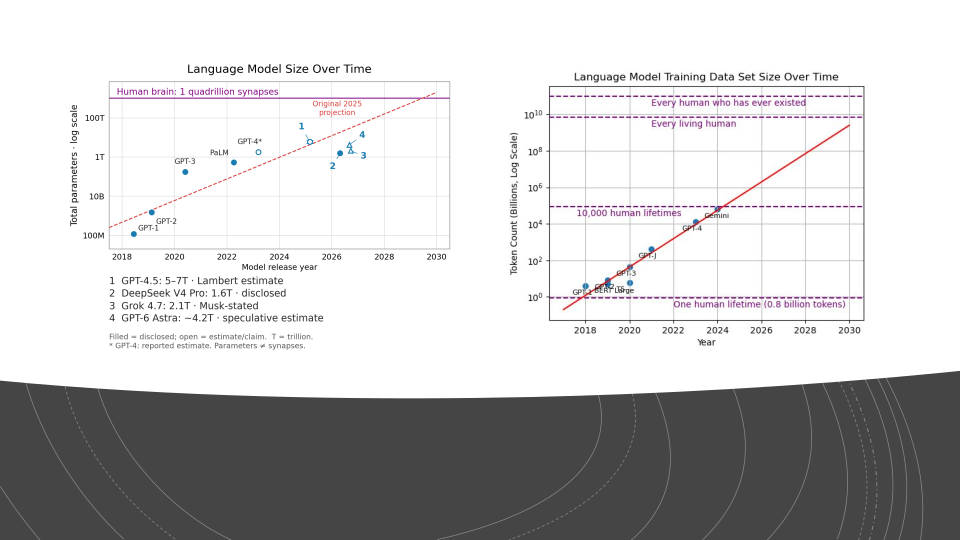
Generative AI Trends
The next few years are going to be very interesting
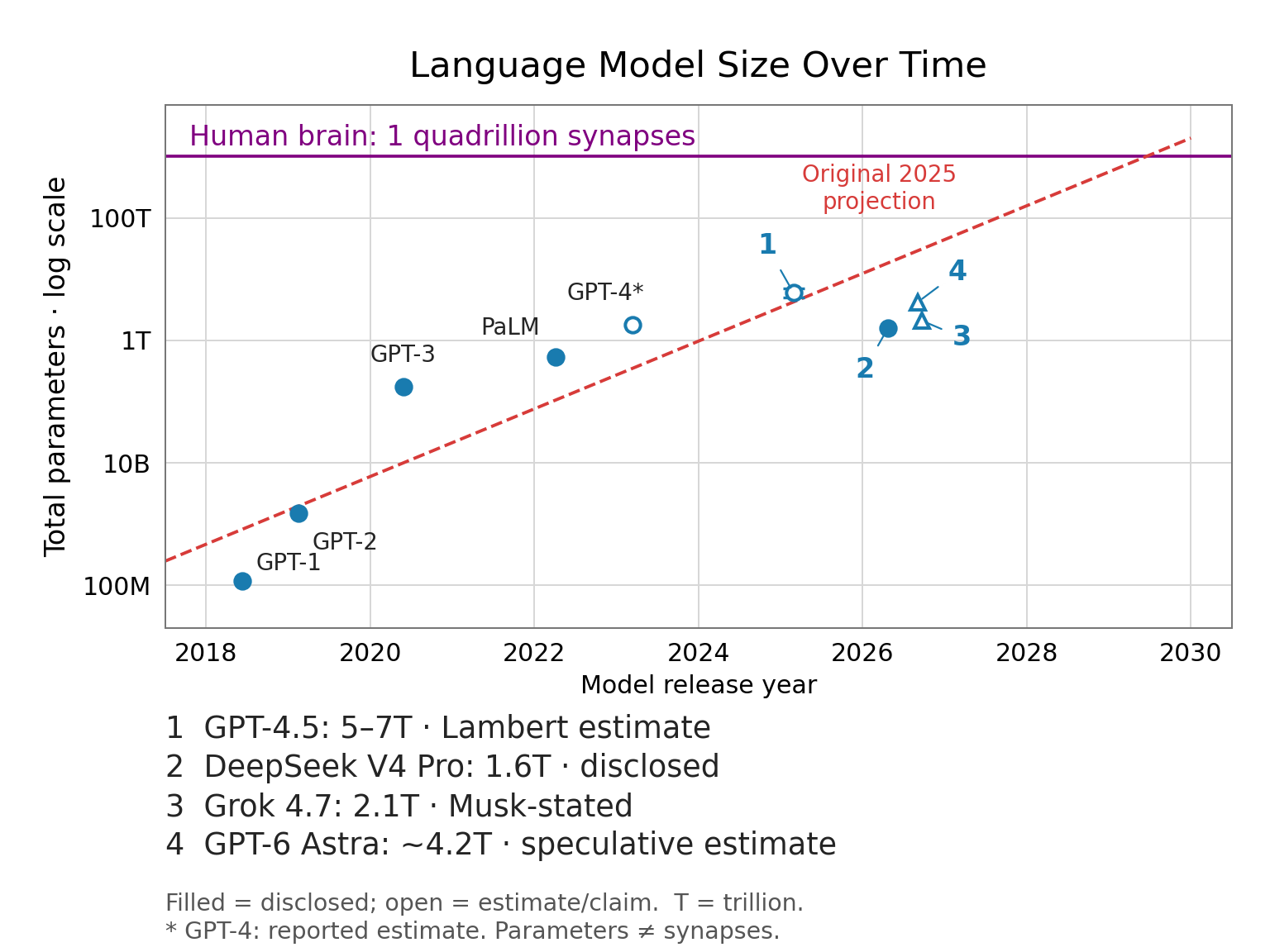
Updated total parameter counts
- GPT-4.5: 5–7 trillion — Lambert estimate
- DeepSeek V4 Pro: 1.6 trillion — disclosed
- Grok 4.7: 2.1 trillion — Musk-stated
- GPT-6 Astra: about 4.2 trillion — speculative estimate
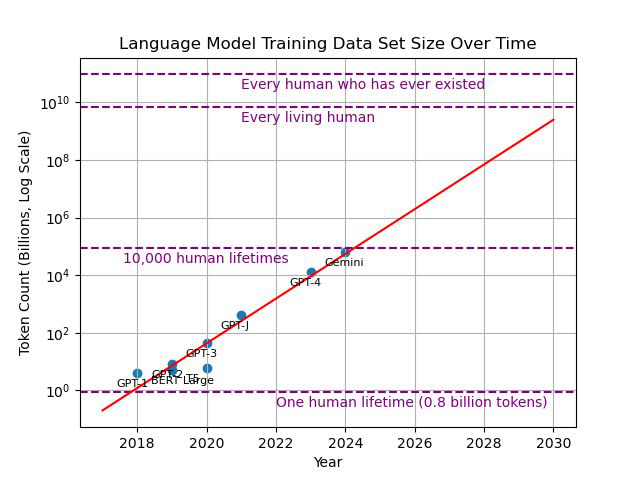
Model sizes updated September 2026 · training-data chart: original 2025 estimates

When to expect AI that can take on large numbers of white-collar jobs
Who | Why | When |
|---|---|---|
Leopold Aschenbrenner situational-awareness.ai | Worked at OpenAI, projecting what he saw there. | 2027 |
Metaculus metaculus.com/questions/ 5121 | Community forecast (~1,700 forecasters): “When will the first general AI system be devised, tested, and publicly announced?” | ~March 2028 |
Greg Baker | The number of neurons and synapses in the human brain vs the number of parameters in models over time. | 2029 |
Daniel Kokotajlo aifuturesmodel.com | AI Futures Model — scenario forecast from former OpenAI governance researcher. | May 2029 |
Manifold Markets manifold.markets/ai | Prediction markets | ~2032 (median) |
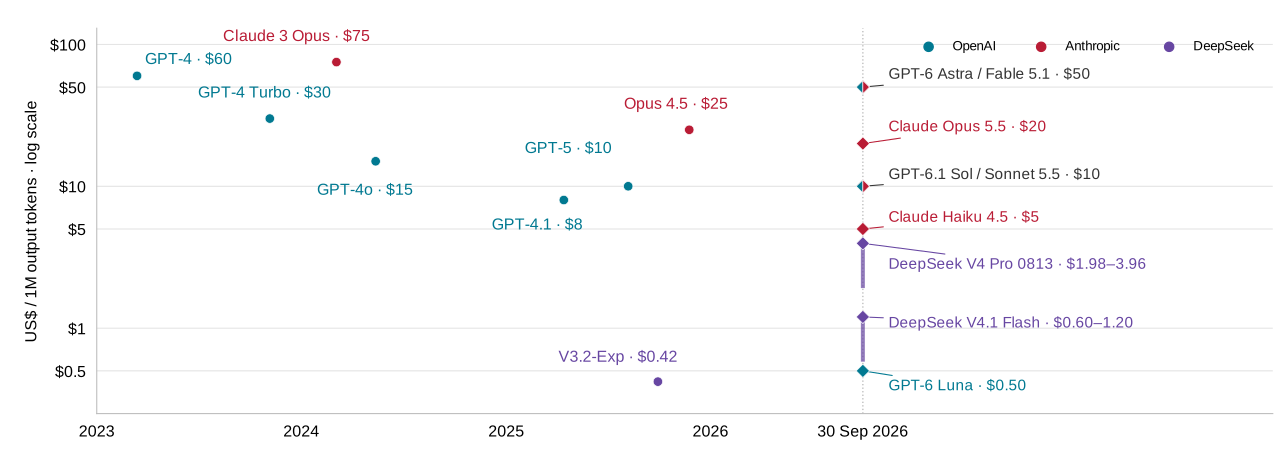
The cost to generate text
US$ per million output tokens · selected launch prices and rates checked 30 September 2026
| Model and observation date | Output price |
|---|---|
| GPT-4 (2023-03) | $60 |
| GPT-4 Turbo (2023-11) | $30 |
| Claude 3 Opus (2024-03) | $75 |
| GPT-4o (2024-05) | $15 |
| GPT-4.1 (2025-04) | $8 |
| GPT-5 (2025-08) | $10 |
| DeepSeek V3.2-Exp (2025-09) | $0.42 |
| Claude Opus 4.5 (2025-11) | $25 |
| GPT-6 Luna (2026-09) | $0.5 |
| GPT-6.1 Sol (2026-09) | $10 |
| GPT-6 Astra (2026-09) | $50 |
| Claude Haiku 4.5 (2026-09) | $5 |
| Claude Sonnet 5.5 (2026-09) | $10 |
| Claude Opus 5.5 (2026-09) | $20 |
| Claude Fable 5.1 (2026-09) | $50 |
| DeepSeek V4.1 Flash (2026-09) | $1.2 ($0.6 off-peak) |
| DeepSeek V4 Pro 0813 (2026-09) | $3.96 ($1.98 off-peak) |
Models and tokenisers differ. Lower launch prices in some families; wide differences between current tiers. DeepSeek bars show off-peak to peak. Add input, tool use, reasoning-token volume and checking to price a task.

Marx’s Theory of Production
● If the outputs of white-collar labour are now more plentiful, and supply has gone up, then other inputs (land, capital, entrepreneurship, management expertise, blue collar work) will become more valuable because demand for them will increase.


Baumol’s cost disease
▪ Baumol cost disease is a phenomenon in which the cost of labor-
intensive activities rises relative to automatable activities.
▪ Wages in labor-intensive sectors must rise to keep up with wages
in other sectors, causing the costs in that sector to rise.
▪ A live orchestra performance is more expensive now, as the
number of musicians and time required to perform has remained relatively constant over the years.
▪ What will AI not automate?
▪ Whatever it is – that is going to get very expensive.
▪ Who are your un-automatable employees? What’s your
strategy for keeping them in an era of rapid pay increases?

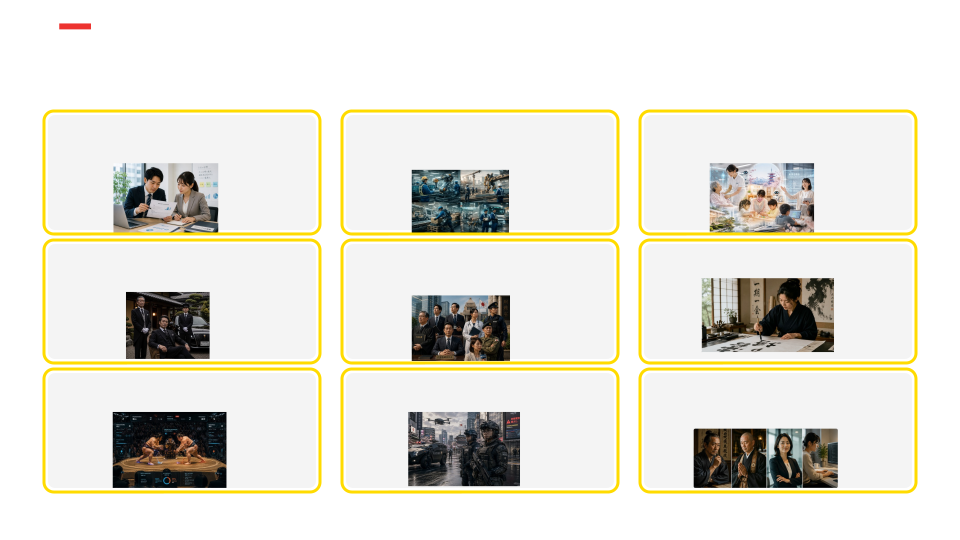
Jobs of the future
Being responsible for a result
Certify, audit, or promise to deliver
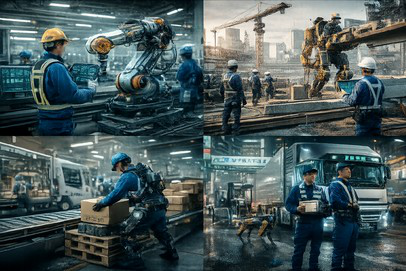
Physical / blue collar
Until robotics catches up
Humans chosen to do it
Nursing, childcare, teaching
Status & status signalling
Butler, waiter, personal driver
Power structures keep humans in
Clergy, doctors, dentists, politicians, unionised workers
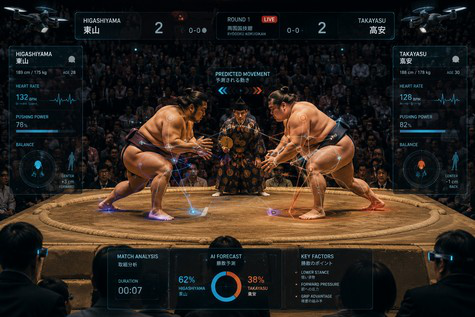
Art and culture
Sports and games Military and police AI management
Alignment, ethics, prompt engineer








Reallocation
Discussion:
• Assume that artific ial general intelligence (AGI) gets created by 2029. Make a list of jobs in your team (and other teams you are responsible for).
• Which of these would still be done by humans?
• Which would be done by AI?
• What planning will you do to prepare for that possibility?
What people mean by the Singularity
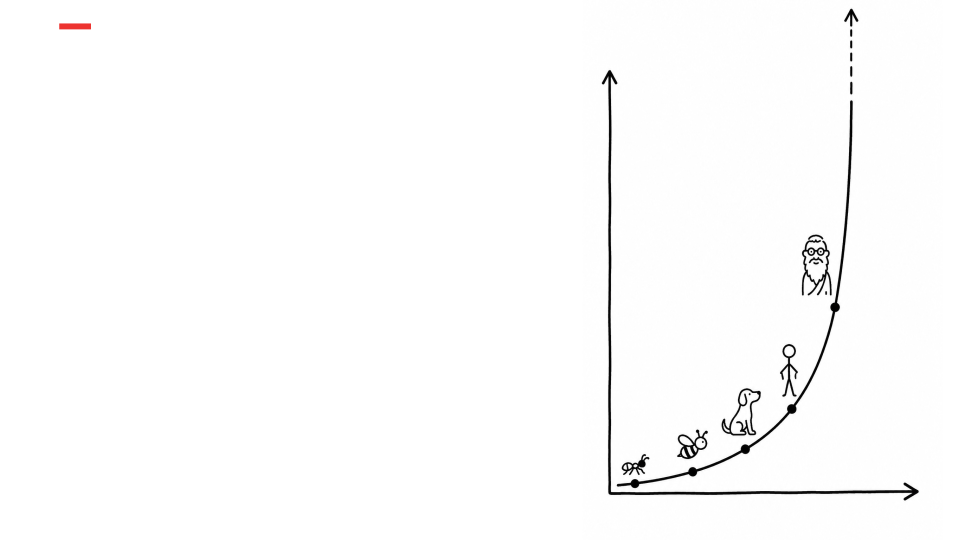
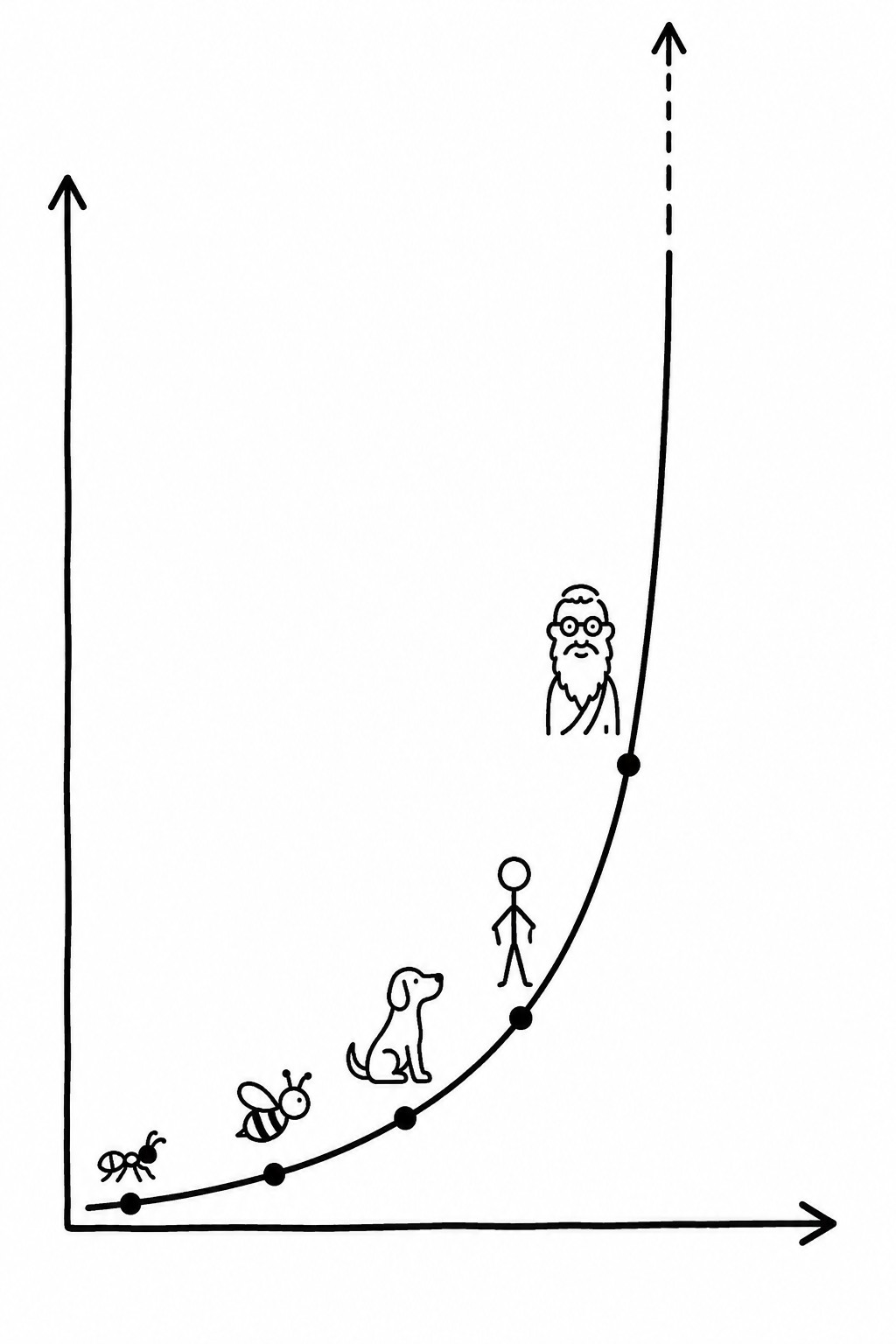
- The Singularity = the point where AI-driven technical and economic change becomes so fast that human forecasting and control become unreliable.
- You do not need to believe in science-fiction versions ("robots take over", "AI gods") to take the business risk seriously.
- The practical concern for executives is timing:
- Your annual planning cycle may become too slow for the rate of capability change.
- Multi-year capex, hiring and training decisions get harder to defend.
- Competitive position can shift in months, not years.
- Two flavours discussed in industry:
- Soft singularity: continuous, very fast improvement; humans still in the loop.
- Hard singularity: recursive self-improvement leads to a sharp transition.

Concepts to be aware of

AI Alignment: why serious people talk about it
● Alignment = the problem of making advanced AI systems reliably do what humans intend.
● How would you control something smarter than you are?● Alignment can look easy today because current AI is weak, slow, and supervised one answer at a time.● Four concrete things "aligned" means in practice:○ Does what the user actually meant, not a literal-but-wrong interpretation.○ Remains controllable — a human can stop, redirect, or override it.○ Avoids deception and reward-hacking (gaming the metric instead of doing the job).○ Handles conflicts between instructions, law, safety, and human values sensibly.● Why it shows up in your governance conversations:○ Procurement — can the vendor demonstrate the model behaves under stress?○ Audit — can a human inspect what the AI actually did, and why?○ Accountability — who is responsible when the AI is wrong, deceptive, or unsafe?
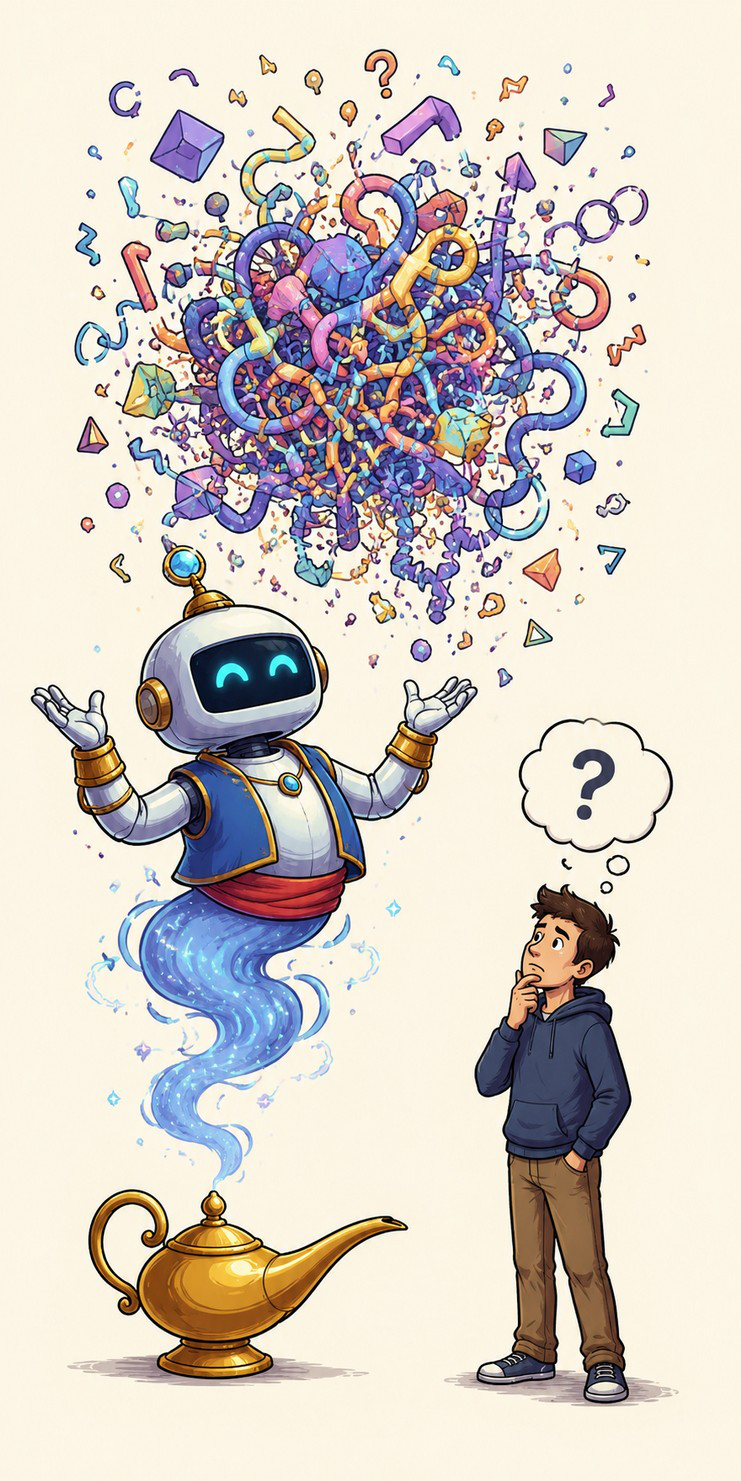

How do I do this at my company?
▪ What AI products should I buy?
▪ How do I know if it’s possible or snake oil?
▪ How do AI companies work?
▪ How do I make sense of all this rapid technological change?


How do I make sense of the hype of company announcements about AI?
Anthropic and OpenAI
• The y do not care about use-cases. The ir goal is artific ial super intelligence. • Anthropic also care about making sure that super-intelligence doesn’t kill us all.
Microsoft, Amazon,
Google, X (Twitte r)
• Fast followers of Anthropic and OpenAI • You won’t get fired for implementing a use case they are talking about
Meta (Facebook),
Alibaba, Tencent,
DeepSeek, Kimi, Z.ai
• Here’s something equivalent to Anthropic and OpenAI 6 months ago that can run on your laptop for free • Llama, Qwen, DeepSeek, Kimi K*, GLM
IBM, Deloitte ,
McKinsey, …
• We’re completely irrelevant because we know nothing about modern AI, but maybe if we talk a lot we’ll get some money from someone who hasn’t noticed that our businesses are disrupted and dead
Anybody else (ElevenLabs, Cursor)
• We have a product (probably based on ChatGPT or Claude) • It won’t change the world, but it might shake up some industry

● Pick 2-3 announcements from OpenAI, Anthropic, DeepSeek, IBM’s AI division and ElevenLabs
○ http s://www.anthropic.com/news
○ http s://api-docs.deepseek.com/news/news2604 24
○ http s://newsroom.ibm.com/latest-news-artific ial-intelligence
● Are they discussing a new AI model? A new service? A new tool?● What would change about the way you run your organisation if they were very successful in what they just announced?
Discussion:
Announcements

What should we (as leaders) do?

Amara’s Law
We tend to overestimate the effe ct of a technology in the short run and underestimate the effe ct in the long run. - Roy Amara


“Technology and profitability are linked”
— Andrew McAfee (MIT) and Erik Brynjolfsson (Stanford)
Agentic AI — how does a chatbot take over a large chunk of white-collar work?
(and what should you do about it today?)
Has someone else built a solution to use AI with your apps? (Buy) Find
Hire some softw are developers to do API integration. (Build) Hire
Wait for vision models that can interact with a web browser and desktop apps bette r than today’s models. Wait
Check See if Codex or Cowork can already do the work

White collar labour strategies
OUTSOURCE OVERSEAS?
▪ Every startup founder has a virtual assistant.
▪ Accounting and book-keeping in the Philippines or India is a thing.
▪ Those companies often have AI tooling for efficiency
USE AI FOR COST REDUCTION?
▪ Make sure that the vendor is selling at the “commodity” stage (or close to it).
▪ Could be a 1-way door: if you have reduced staff, then what?
STATUS QUO?
▪ Australia isn’t a very competitive market, so if you have other priorities, doing nothing might be an option
USE AI FOR INCREASED SALES?
▪ Work out how to replace 100% of the white-collar labour in some workflow.
▪ Does that change who can sell it? Or how it is sold?
▪ Is there a new business model or revenue stream there?
▪ Does that change the cost structure so that new buyers would be possible?
Remember that you can fund development:
• Yourself• With an external (VC) investor• In partnership with other-geo non-competitors

Future Thinking Exercise (8 mins)
Group Exercise:
Imagine you (and your competitors) had access to 100,000 naïve and inexperienced white-collar workers for free.
What impossible thing would now be practical and normal?
What expensive goods or services could you democratize?
What could you personalize?
Bonus question: how will your existing paid staff manage the 100,000 free workers?
What would no longer be valuable?


This is not going to be easy
The babble theory of leadership says that decision making and gaining consensus is ofte n done by deferring to the person who is the most articulate who talks most persuasively. That ability used to be rare, maybe it won’t be now. Achieving unity of purpose is going to get much harder, at a time when the way we do business is going through a major change.

What you'll need to navigate
▪ Implementing AI solutions within your company
▪ Identifying and acquiring suitable AI products
▪ Diffe rentiating between viable AI and deceptive claims
▪ Understanding the operations of AI enterprises
▪ Interpreting rapid advancements in AI technology

One axis of Wardley mapping

What is Wardley mapping
What is it?• A visual strategy technique created by Simon Wardley that maps the components of a business or system on two axes: the value chain (user need at the top, supporting components below) and evolution (genesis → custom-built → product → commodity).
• Shows not just what you have, but where each piece sits and which direction it's moving.
Free resources to learn more• Wardley mapping is released under Creative Commons — books, courses and tools are free to use:
• learnwardleymapping.com — free 75-min video course & chapter summaries (Ben Mosior)
• medium.com/wardleymaps — Simon Wardley's original book, free under CC BY-SA
• github.com/wardley-maps-community/awesome-wardley-maps — community hub of resources, tools & examples
• mapkeep.com & onlinewardleymaps.com — free tools to start mapping
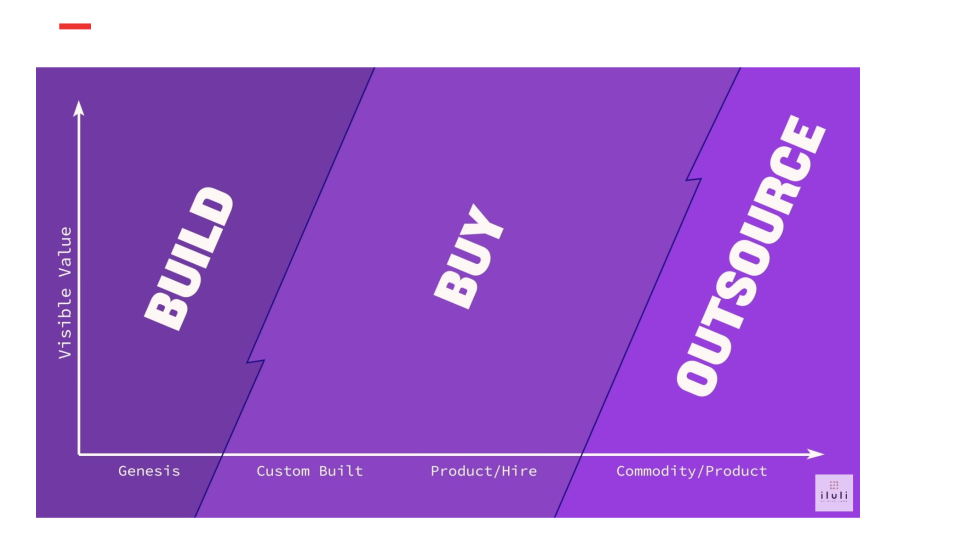
Build, buy or outsource?
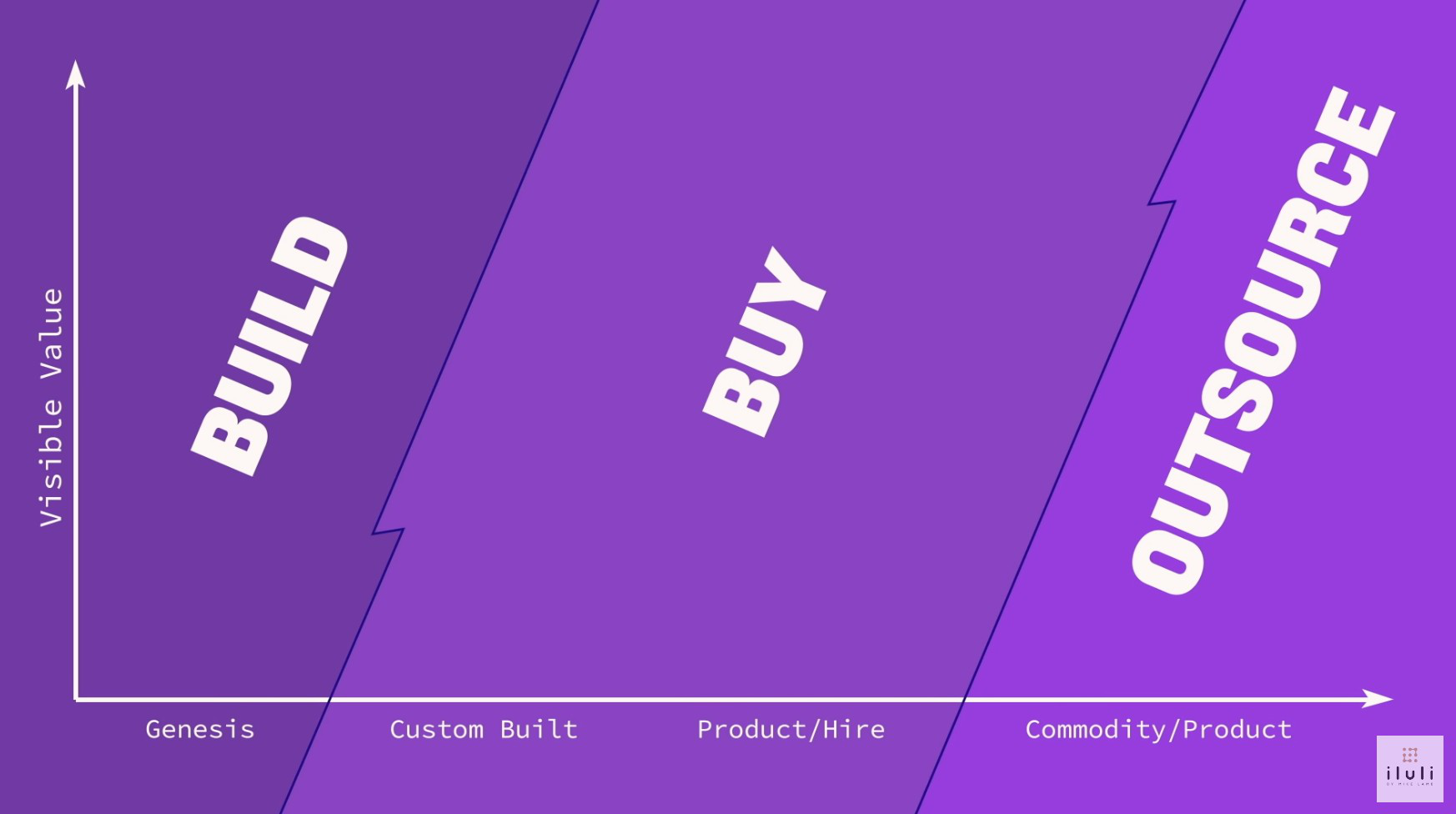

The lifecycle of a technology (according to Wardley mapping)
1
Genesis Custom Built
2
Product /
Rental
3
Commodity /
Utility
4

Genesis
Examples in 2026: text-to-video.
● Newly discovered, unique and innovative.
● Highly uncertain in terms of applicability and market fit.
● Requires bespoke creation and experimentation. High risk but potential for high reward.
● Ofte n lacks a clear market or established user base.
● Pricing Mechanisms: Ofte n high due to uniqueness; pricing can be arbitrary or based on perceived value.
● Adoption Activities: Focused on exploration, prototyping, and initial testing.
● Vendors: Few, ofte n startups or research institutions.


Custom Built
Examples in 2026: AI claims adjudication
● Specific solutions tailored for particular needs.● Not widely adopted but has proven use cases.● Higher cost due to bespoke design and implementation.● Few known providers or experts in the field.● Pricing Mechanisms: Cost-plus pricing; based on the complexity and specific ity of the solution.● Adoption Activities: Engaging experts, bespoke solution development, and tailored implementation.● Vendors: Specialized firms or consultants with niche expertise in-house, or who are good at finding niche expertise.


Product / Rental
Examples in 2026: Meeting notes taker
● Standardized offe rings available in the market.● Widely adopted with many users and known applications.● Reduced cost due to economies of scale.● Competitive market with multiple providers.● Matured features with incremental improvements.● Pricing Mechanisms: Competitive pricing; ofte n feature-based or tiered pricing models.● Adoption Activities: Comparing products, evaluating features, and integrating into existing systems.● Vendors: Numerous, ranging from startups to established companies.


Commodity / Utility
Examples in 2026: Chat with an LLM
● Ubiquitous and highly standardized.● Lowest cost due to mass production or provision.● Interchangeable with other commodities.● Driven by effic iency and broad market demand.● Ofte n delivered as a service or utility.● Innovation is minimal; focus is on reliability and distribution.● Pricing Mechanisms: Ofte n volume-based or subscription models; price wars common.● Adoption Activities: Seeking the most effic ient and reliable providers; plug-and-play solutions.● Vendors: Many, ofte n large-scale providers with extensive infrastructure


Different evolution stage = different methodology
Genesis Custom Built Product / Rental Commodity / Utility
Agile
● Ideal for rapidly evolving components.● Emphasizes iteration and feedback.● Helps in adapting to changing user needs and market conditions.
Lean
● Focuses on eliminating waste in processes.● Emphasizes continuous improvement.● Relevant for streamlining production and standardization
Six Sigma
● Aims to reduce defects and improve quality.● Uses statistical methods to measure and analyze processes.● Most relevant for standardized processes.
Commercialisation
● Working with a university or research institute through a commercialisation process to align customer needs.● Hard to control and direct. No guarantees of success.
EVOLUTION
Factors for a strategy for AI
The stage of evolution of the
technology
The value to the customer.
E.g. Low value to customer => use
commodity components
The change in value and stage
over time
Is a component becoming more valuable
to customers over time? Is the technology maturing rapidly?
The tree of dependencies to
provide that component

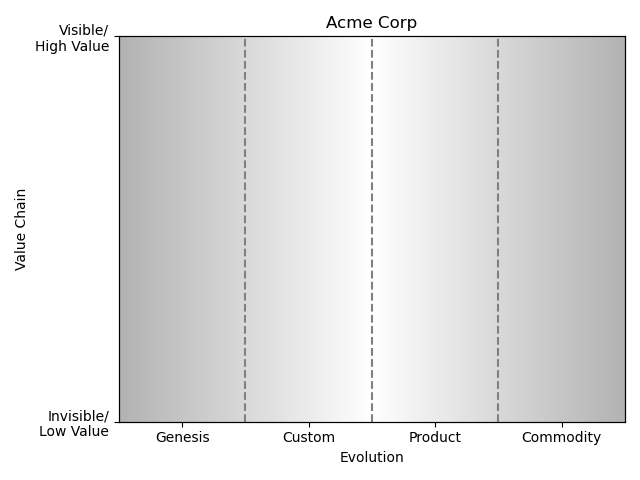
Innovation Strategy A. Move a component to the right
● Become cheaper ● Become more repeatable and reliable.● Be more efficient.● Maybe it’s OK to lose a bit of customer value?● Outsource something you were buying, buy something you were building.
Components will naturally do this over time. You’re just getti ng ahead.
AI examples:
● Use LLMs for white collar work● Computer vision for OCR or data capture.

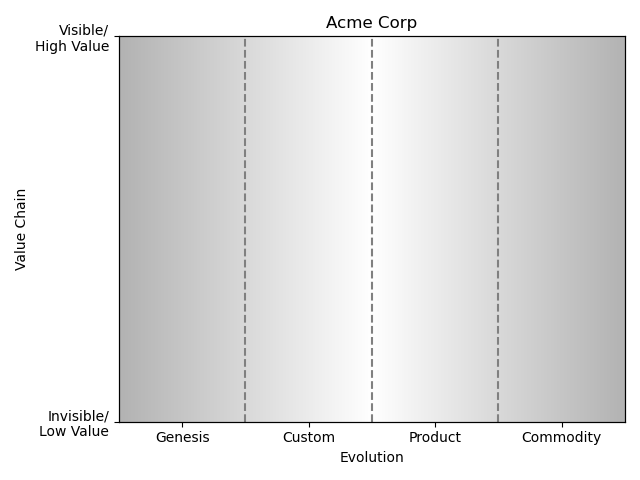
Innovation Strategy B. Move a component up-left
● Capture customer value by investing in innovation.● Add new features to an existing commodity, make a product better and more unique, partner with a research institution.● Personalise for your customers.
AI examples:
● Write a custom application for your customers to use.● Add forecasting & reporting & cost optimisation to a commodity

Strategy
Discussion:
● What strategies do you think will be more appropriate for your organisation?
○ Move towards commodific ation and lose some customer value, but reduce cost to gain market share?
○ Move towards personalisation and adding more value-add so that you can charge more?

Understanding startups
Especially AI startups

Do AI companies try to pitch to you regularly?
HOW DO YOU KNOW WHAT
COMPANIES TO USE?
HOW DO YOU EVALUATE
A VENDOR?



Question 1. What are they offering, and to whom?
For developers | For non-technical users | |
|---|---|---|
Service -“Our staff can…” | Specialist skills in an AI technology, product, platform, activity. Very common: labelling. Examples: https://winder.ai/ https://unboxresearch.com/ https://sama.com/ | Help you buy, build AI products for you, … Examples: https://www.accenture.com/us-en/services/ai-artificial-intelligence-index |
Product -“Our software can…” | Do something that speeds development of AI technology. Very common: platform. Examples: https://www.wandb.ai/ https://kairos.com/ | Solve a business problem directly. Examples: https://fathom.video/ https://lynxight.com/ |

Question 2. How ready and mature is the product?
Services progress with very little preparation time, so this question doesn’t make much sense for services.
Vapourware
The re is a website advertising the product. The product doesn’t exist.
The re may be a form that lets you sign up to a beta-test trial / limited availability trial.
Startups do this to gauge whether there is a market for the product.
Proof of
concept
The key thing that the product does works. But the supporting infrastructure to use it isn’t there.
It might only work some of the time, on some data or some computers.
Initial customer deployment
The product is running at a “friendly” --- a customer who was part of the initial development cycle.
1-click install
The product is available on a marketplace (e.g. the Google App store).
Integrations are documented. You might not interact with company staff at all in your procurement.
Install with
services
The product exists and works, but each new customer installation is done manually by company staff.
You will have an assigned technical account manager to report bugs to.

Question 3. Is it believable?
01
Stalk the company on LinkedIn
- How many staff do they employ?
- Are they claiming expertise in too many industries?
02
Find the company’s CEO and executive team.
- Do they have experience in the industry they sell to?
- Do they have experience running companies?
03
Find the company’s CTO and engineers
- Do they have tech experience? What was their degree in?
- Are they mostly fresh graduates from university?

Question 4. Are they funded?
Not listed?
It could be that they are:
● Bootstrapped -- a good sign! ● Not formed yet -- a bad sign!
$50k-$500k Confir ming that there is a market for a product. Might create a prototype. Pre-seed
$500k - $2m Launch a product. Do some early marketing. Seed
$2m - $15m Scaling the business up with more users.Hiring. Putti ng infrastructure in place to support users. Series A
$15m - $50m Expansion overseas. Diversification. Integration with many other products. Series B
$50m+ Mergers and acquisitions. Hiring a team of executives. Large scale operations. Series C
Look up the company on
Crunchbase.com

Warning signs
● Overly-broad claims of capabilities of the software● No customers listed on their website● Customers listed on their website are a diffe rent scale or size.● Customers listed are all related entities.● Founders don’t have tech skills.● Founders with no relevant experience.


Driving the narrative
It’s OK to work with early stage companies, even if you are a slow conservative organisation! But make sure you are doing a top-left (increase value & increase cost) step.
Getti ng a big-name as a customer is worth far more to them than the dollar value of the contract.
Job titles to talk to:
● The CEO● Head of product management
Tell them what you need, and what your biggest pain points are, and how you want to create new value
Safety clause in a contract: if the startup goes out of business, or stops selling XYZ crucial thing we care about, BigCorp has the right to buy a license for BigCorp and its future owners to use and develop (but not sell) in perpetuity for $1. The source code is to be kept in escrow by ____


Exercise – where are these companies up to?
Group Exercise:
What are they selling? Is it a service or product? Who are they selling to? How mature is their product likely to be? Is it plausible? Where is this technology up to? Who in the room would fin d this helpful?
Entropik Synthesia Tractian countthings Infogrid
Fireflies Goblin umbrellabird.co m
skillpool.tech lisarecruiter.co m
Everseen vilisto Spoke.ai Tredence ai.vip.graphics
Chargeflow Affinda 11x.ai Legalquestions .help (Paralegal AI)
Simplerlist
Carrington Associates
H2o.ai


Diffusion of bottom-up technologies

Deployment of AI is bottom-up, not top-down
- Unlike most technologies, it doesn’t require expensive solutions which are chosen at the executive level.
- Most innovation will come from people with subject and workflow expertise, not the AI specialist.
Ethan Mollick’s Advice
“[consider] Radical incentives to ensure that workers are willing to share what they learn. If they are worried about being punished, they won’t share. If they are worried [that] they won’t be rewarded, they won’t share. ... Create slack time for workers to develop and discuss AI approaches.”

Some startling changes
Writing no longer corresponds to effort spent in understanding.
How do you PIP someone who is below average when “average” is now possible with augmentation?
Fraud detection: how will you know that it really is your staff? How will your staff know it is really you?

More Ethan Mollick
If the sort of effic iency gains we are seeing from early AI experiments continue, organizations that wait to experiment will fall behind very quickly.
Tha t means providing guidelines for short-term experimentation, rather than relying on top-down solutions that take months or years to implement.

A few tactical ideas
●Software - automation of many tasks is possible now. Are the pieces in place?
○ Agentic tools for staff (OpenAI Codex or Claude Cowork, etc.)
○ Powershell and AutoHotKey (or other robotic process automation) to automate repeatable workflo ws
○ Speech recognition
■ Do staff have suitable softw are? (e.g. Krisp, WithAqua, etc.)
■ Can staff talk without disturbing others, or being disturbed?
▪ Run a weekly or fortnightly 15-minute AI show-and-tell where one staff member demonstrates a
real workflow they improved.
▪ What do your staff want to learn this year? Can an expert make an AI-generated course for
them?
▪ Are you being clear to others in your team about your own use of AI?


Workshop on AI-based business improvement
Group Exercise:
Break up into groups
Decide on an AI innovation that would be nice to implement
Do a quick search to make sure it isn’t already available for sale
We’ll vote on which is the most interesting
We’ll walk through how
Whether it already exists How hard it would be How it might work Likely costing


Tom Scott
“ “That world that i grew up in is about to change. I think we are on a new sigmoid curve and I have no idea how far along that curve we are right now.”

Keep in touch with Greg Baker



Arrow keys: move · F: full screen · N: narration · direct links use the slide name